Diagnostics Done Right
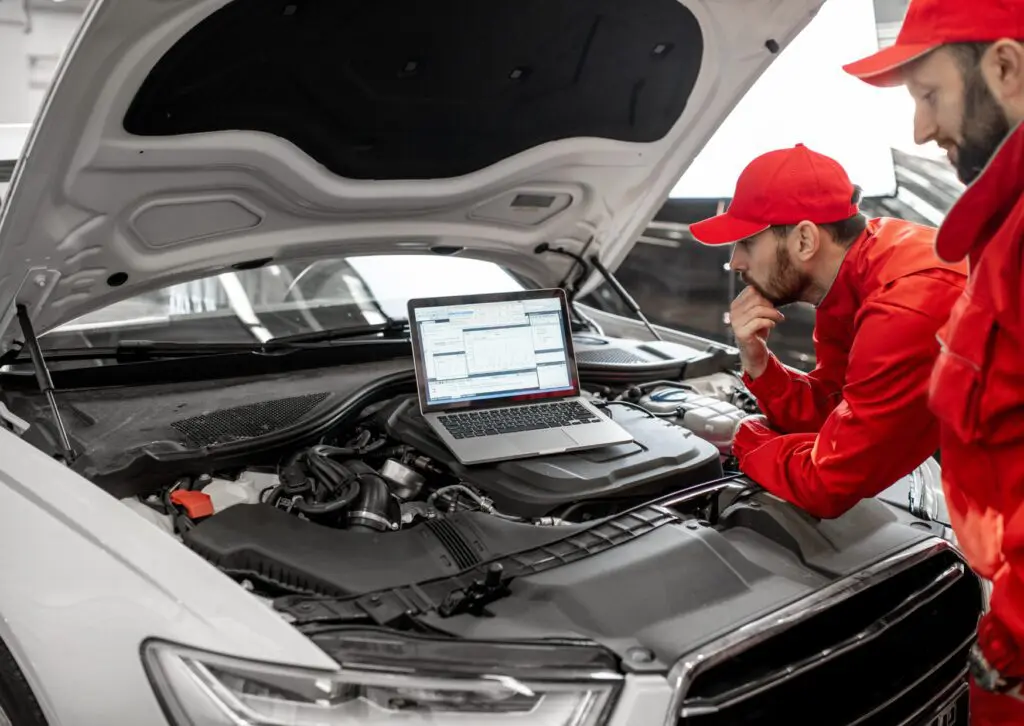
A scan tool reading a fault code is the starting point for a diagnostic — not the conclusion. A code tells you which system reported a problem, not necessarily which part failed. We use that information alongside live data, technical service bulletins, and hands-on testing to accurately identify the root cause.
What a Diagnostic Involves
Connect and Read
We connect our scan tool to the OBD-II port to retrieve stored and pending fault codes, along with freeze frame data from when the fault was detected.
Live Data Analysis
We review sensor data in real time — fuel trims, O2 sensor readings, MAF output, ignition timing — to identify patterns that point to the actual fault.
Component Testing
Where needed, we test individual components directly — fuel pressure, injector pulse, coil output — rather than replacing parts based on code alone.
Written Findings
We explain what we found, what caused it, and what repair is recommended. You receive this in writing before any work begins.
Common Reasons for Diagnostic Visits
- Check engine / malfunction indicator light illuminated
- Rough idle, misfires, or hesitation during acceleration
- Poor fuel economy without an obvious explanation
- Vehicle failing emissions testing
- ABS, traction control, or stability warning lights
- Transmission shifting irregularly
A Note on Fault Codes
It's worth knowing that a P0420 catalyst efficiency code doesn't automatically mean your catalytic converter is faulty. Similarly, a misfire code on cylinder 3 doesn't necessarily mean the ignition coil for that cylinder has failed — it could be a fuel delivery problem, compression issue, or wiring fault. We investigate before recommending parts replacement.
Book a Diagnostic
If a warning light is on or something doesn't feel right, start with a diagnostic appointment. We'll tell you what we find before recommending any work.
Schedule Appointment