Most vehicles on Canadian roads are capable of lasting 300,000 km or more with reasonable care. The key word is reasonable — you don't need to obsess over every component, but a handful of routine habits make a significant difference over the life of a vehicle. This guide covers the essentials without getting into the weeds.
Engine Oil: The Most Important Service You Can Do
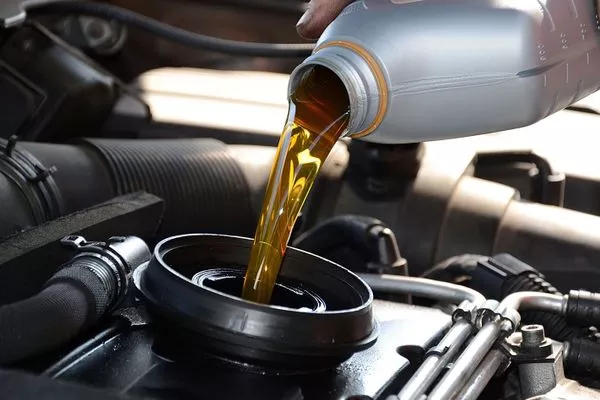
If there's one maintenance item that matters more than any other, it's the oil change. Engine oil lubricates moving parts, carries heat away from components, and suspends contaminants until they can be filtered out or drained. As oil ages, it breaks down and loses its ability to do these things effectively.
The old rule of every 3,000 km is outdated for most modern vehicles. If your vehicle uses full synthetic oil — and many require it — intervals of 7,500 to 10,000 km are reasonable under normal conditions. Check your owner's manual for the specification. What matters more than the interval is that you actually follow it consistently.
Dark oil on the dipstick isn't necessarily a problem — oil darkens as it does its job. What you're looking for is oil that's milky or frothy (could indicate coolant contamination), extremely gritty, or significantly low. Checking your oil level every month takes 30 seconds and can catch a developing problem before it causes damage.
The oil change is simple, inexpensive, and the single most effective thing you can do to extend your engine's life. Skipping it to save money short-term usually costs significantly more long-term.
Tires: Pressure and Tread Depth
Tires are the only contact point between your vehicle and the road, yet tire maintenance is one of the most commonly neglected areas. Two things matter most: pressure and tread depth.
Tire pressure should be checked monthly when the tires are cold — meaning the vehicle has been parked for at least three hours. The correct pressure is on the sticker inside your driver's door jamb, not the maximum pressure printed on the tire sidewall. Those are different numbers and they mean different things.
In British Columbia, temperatures between summer and winter can change tire pressure by 5–8 PSI due to air expansion and contraction. A tire that's correctly inflated in August might be notably underinflated by November. Underinflated tires wear faster on the outer edges and use more fuel. Overinflated tires wear faster in the centre and provide less grip.
Tread depth is checked easily with a loonie coin. If the silver ring around the edge of the coin is visible when you insert it tread-first into a groove, your tread is below 2.5 mm — time to replace the tires. In winter driving conditions, 4 mm is a more practical minimum. Worn tires take significantly longer to stop, especially on wet pavement.
Brakes: What to Pay Attention To
Most brake pads have a built-in wear indicator — a small metal tab that contacts the rotor when the pad gets thin, producing a squealing sound. If you hear that sound, especially when braking lightly, don't defer the inspection. That indicator is designed to give you some lead time before the pad wears completely.
Grinding sounds, a pulsating brake pedal, or a vehicle that pulls to one side under braking all warrant an inspection. Grinding usually means metal-on-metal contact, which damages the rotor and increases repair costs. A pulsating pedal often indicates a warped rotor. Neither is a reason to panic, but neither should be ignored.
Coolant: The Forgotten Fluid
Engine coolant (antifreeze) has two jobs: it prevents the coolant from freezing in cold temperatures, and it transfers heat away from the engine. Over time, coolant degrades chemically and loses its corrosion inhibitors — the additives that protect your radiator, water pump, and heater core.
Most manufacturers recommend coolant service every 5 years or 150,000–200,000 km, but those intervals can be optimistic depending on your climate and driving patterns. If your coolant looks brown or rusty rather than the original green, orange, or pink it started as, it's past due for a flush.
Also worth noting: never remove a hot radiator cap. Coolant is under pressure and removing the cap while the engine is hot can cause coolant to spray out violently. Wait until the engine has cooled completely.
Air Filters
Your vehicle has at least two air filters: one for the engine and one for the cabin. The engine air filter prevents dust and debris from entering the intake system. A clogged filter reduces airflow and can affect performance and fuel economy. The cabin filter affects air quality inside the vehicle and the efficiency of your heating and A/C system.
Engine air filters typically last 15,000–30,000 km under normal conditions. Driving in dusty environments shortens that considerably. Cabin filters are often overlooked and can last much longer on the shelf, but in practice should be replaced every 12–15 months regardless of mileage for anyone who uses their climate control regularly.
Battery
Car batteries typically last 4–6 years. Cold weather reduces battery capacity, which is why battery failures tend to cluster in winter — often when the vehicle has sat overnight and temperatures have dropped. A battery that's borderline in October may not start the vehicle in January.
If you notice your engine cranking slowly on startup, headlights dimming when the engine is idling, or electrical accessories behaving erratically, have your battery tested. Load testing tells you the actual capacity remaining — much more useful than a visual inspection of the battery itself.
Wiper Blades
Not a safety-critical item in the way brakes are, but streaky or skipping wipers in a BC rainstorm become a meaningful visibility problem. Most wiper blades should be replaced every 12 months. The rubber deteriorates from UV exposure, heat, and use. Replacing them is inexpensive and takes about five minutes.
The Multi-Point Inspection
Whenever your vehicle comes in for an oil change at Triplet, we do a visual multi-point inspection at no extra charge. That means a technician looks at fluid levels, tire condition, visible belts and hoses, brake condition (where visible without removing wheels), and lights. If anything looks like it needs attention, we'll note it on the inspection sheet and let you know.
This isn't a comprehensive mechanical inspection — it's a visual check that takes a few minutes. But it's often how small issues get caught early, before they develop into something larger.
What You Can Check Yourself
You don't need a mechanic for everything. Here are a few things any driver can check with no tools:
- Oil level — Pull the dipstick, wipe it, reinsert, pull again. Level should be between the min and max marks.
- Washer fluid — Clear plastic reservoir, usually labelled. Top up as needed.
- Tire pressure — A pressure gauge costs under $10 at any auto parts store.
- Lights — Walk around your vehicle occasionally with the lights on to check all bulbs are working.
- Tread depth — The loonie test described above.
When to See a Technician
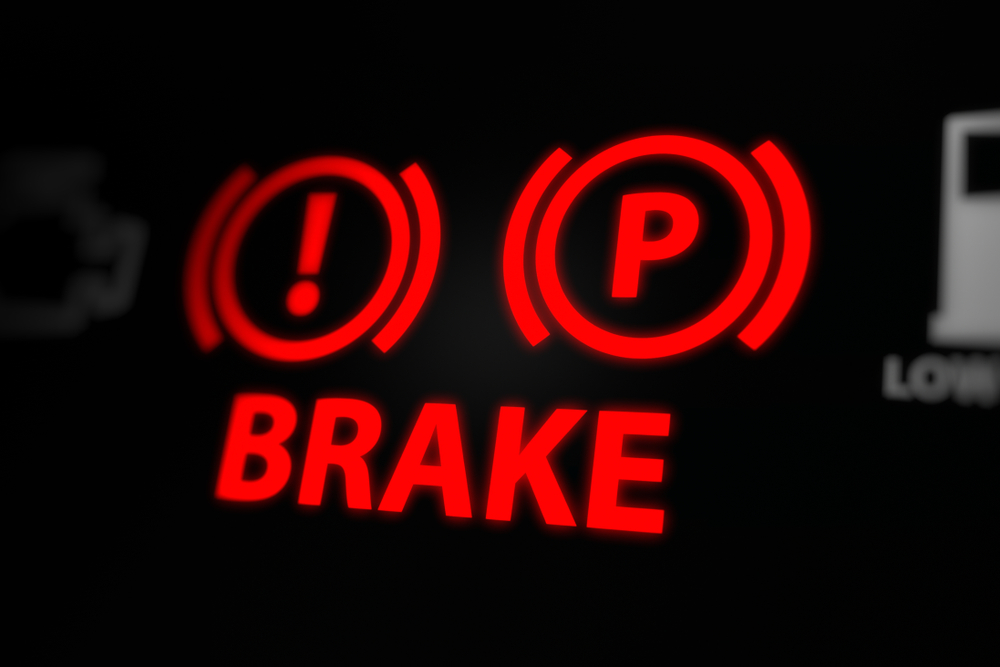
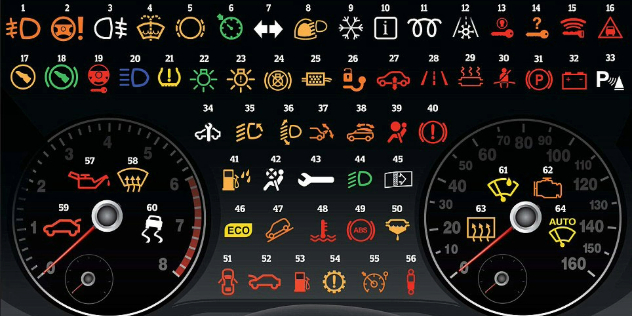
Any warning light that comes on and stays on is worth having checked. Some are more urgent than others — oil pressure and temperature lights require immediate attention, while a maintenance reminder light can wait until your next scheduled appointment. The article on dashboard warning lights covers these in more detail.
If your vehicle develops a new noise, smell, or change in how it handles, don't wait for it to get worse. Changes in a vehicle's behaviour are usually trying to tell you something. Earlier diagnosis is almost always less expensive than waiting.